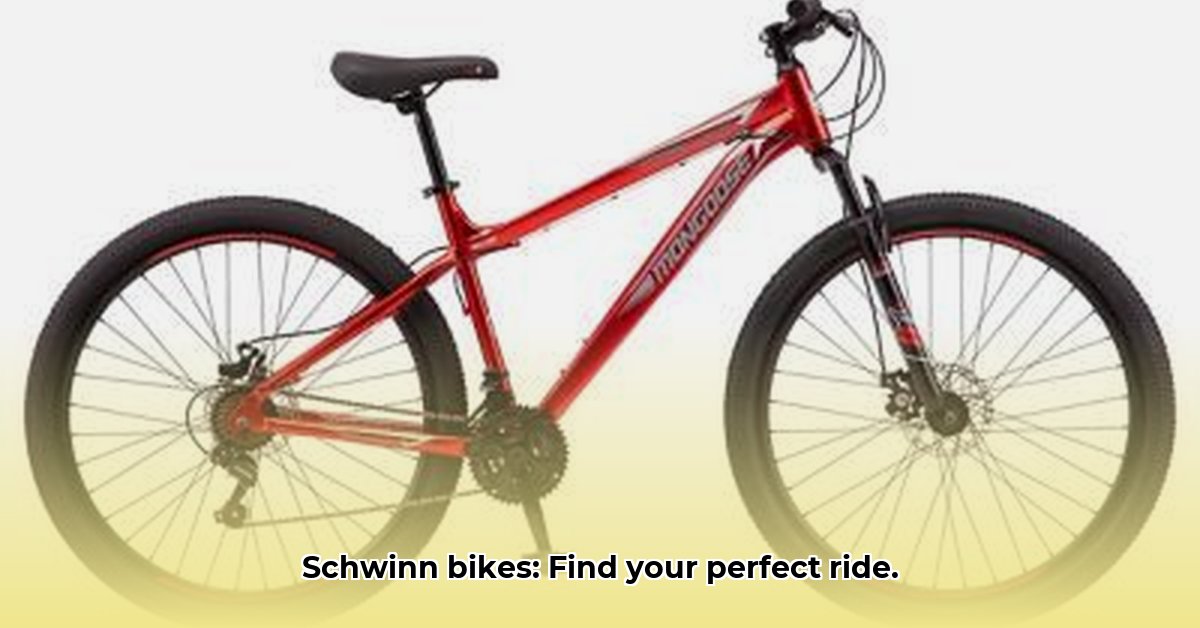
Tractor Supply's Schwinn Lineup: A Closer Look
Tractor Supply Company (TSC), a retail giant known for its agricultural and outdoor supplies, has surprisingly expanded into the bicycle market, partnering with Schwinn. This move presents a unique opportunity to explore the accessibility and value of Schwinn bikes within a non-traditional retail environment. For a deeper dive into TSC's bike offerings, check out this detailed analysis. This review delves into TSC's Schwinn bicycle offerings, analyzing their strengths, weaknesses, and market implications.
Schwinn Bikes at Tractor Supply: Models and Availability
TSC's Schwinn selection presents a mixed bag. The range leans towards adult bikes, predominantly hybrid and road models. These bikes typically feature 14-21 gears, catering to casual riders and commuters seeking dependable transportation without excessive cost. However, a notable absence of children's bikes represents a missed opportunity to attract families. Similarly, the lack of high-performance models suggests TSC is targeting a specific market segment: the casual cyclist.
Hybrid Bikes: A Solid Foundation
The hybrid bikes provide a good balance of comfort and speed, suitable for paved paths and light trails. Their range of gears offers adaptability to varying terrain.
Road Bikes: Focused on Paved Surfaces
Road bikes predominantly from Schwinn's Volare line are geared towards paved surfaces and longer distances. The limited customization options within each model suggest TSC prioritizes inventory simplicity, likely to streamline supply chain logistics and keep costs down.
Children's Bikes: A Significant Gap
The limited selection of children's bikes presents a critical weakness. This segment represents substantial untapped market potential, highlighting a missed opportunity to extend TSC's customer base.
Analysis and Comparison: Pricing and Competition
A crucial aspect missing from the initial analysis is a comprehensive price comparison with competitors like Walmart, Dick's Sporting Goods, or local bike shops. Without a thorough price comparison, it's impossible to definitively assess TSC's value proposition. This gap needs further investigation to fully understand TSC's competitiveness within the market. This limitation significantly restricts a thorough evaluation of their market position.
Strengths and Weaknesses of TSC's Schwinn Selection
Strengths:
- Convenience and Accessibility: TSC's widespread rural locations offer convenient access to bicycles in areas underserved by traditional bike retailers.
- Recognized Brand: The Schwinn brand enjoys established recognition, contributing to consumer trust and confidence in product quality.
- Targeted Market Focus: Concentrating on the casual cyclist market segment may prove to be a shrewd strategic decision.
Weaknesses:
- Limited Variety: The selection lacks diversity, especially concerning children's bikes and high-performance models, potentially limiting its appeal to a broader audience.
- Price Transparency: The absence of detailed pricing comparisons hinders the assessment of value for money.
- Vague Warranty Information: Unclear warranty details may create uncertainty for potential buyers.
- Potential Stock Shortages: The limited selection increases the risk of stock shortages for popular models and sizes.
Market Implications and Future Outlook
TSC's entry into the bicycle market represents a bold strategic move with substantial growth potential. To optimize success, management should carefully analyze sales data and customer feedback to refine their strategy:
- Expand Product Lines: Expanding the children's bike selection and adding e-bikes can tap into rapidly growing market segments.
- Enhance Marketing: Clear communication regarding warranty details and the convenience factor of local purchasing should be emphasized in marketing campaigns.
- Strengthen Partnerships: Collaborative marketing and the development of exclusive TSC Schwinn models would benefit both companies.
- Competitive Pricing: Maintaining competitive pricing will be essential for market success.
The long-term success of TSC's venture will heavily depend on their ability to adapt to market demands, enhance customer service, and ensure pricing competitiveness.
Conclusion: A Promising but Imperfect Start
TSC's foray into the bicycle market offers a compelling case study in diversification. While its current offerings show promise, particularly in its convenience factor and brand recognition, significant improvements in selection and price transparency are necessary to achieve lasting success. The future prospects depend on the company's ability to adapt its strategy to market demand and address the shortcomings noted in this review. The next chapter in this story will be defined by their response to market feedback and the evolution of their bicycle offerings.